
Yoga for a quieter mind and body
Articles, reflections, and practical guides on using yoga as a tool for genuine relaxation — written for people who want less noise in their lives, not more pressure to perform.
Recent articles
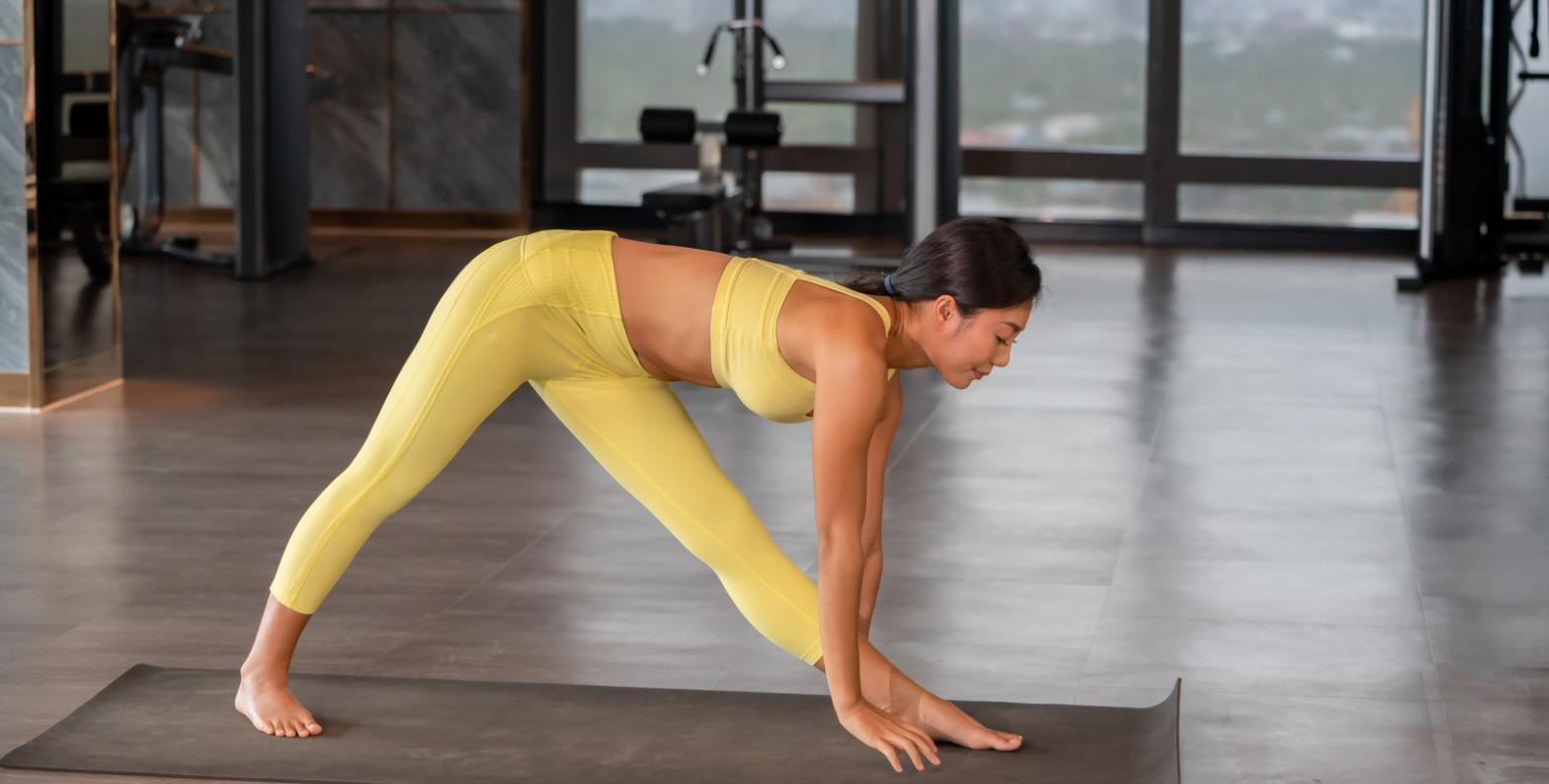
 Beginner Yoga
My First Week of Yoga for Relaxation: What Actually Happened
I tried yoga for relaxation every evening for seven days as a complete beginner. Here is what changed, what surprised me, and the simple steps that made it work.
Read article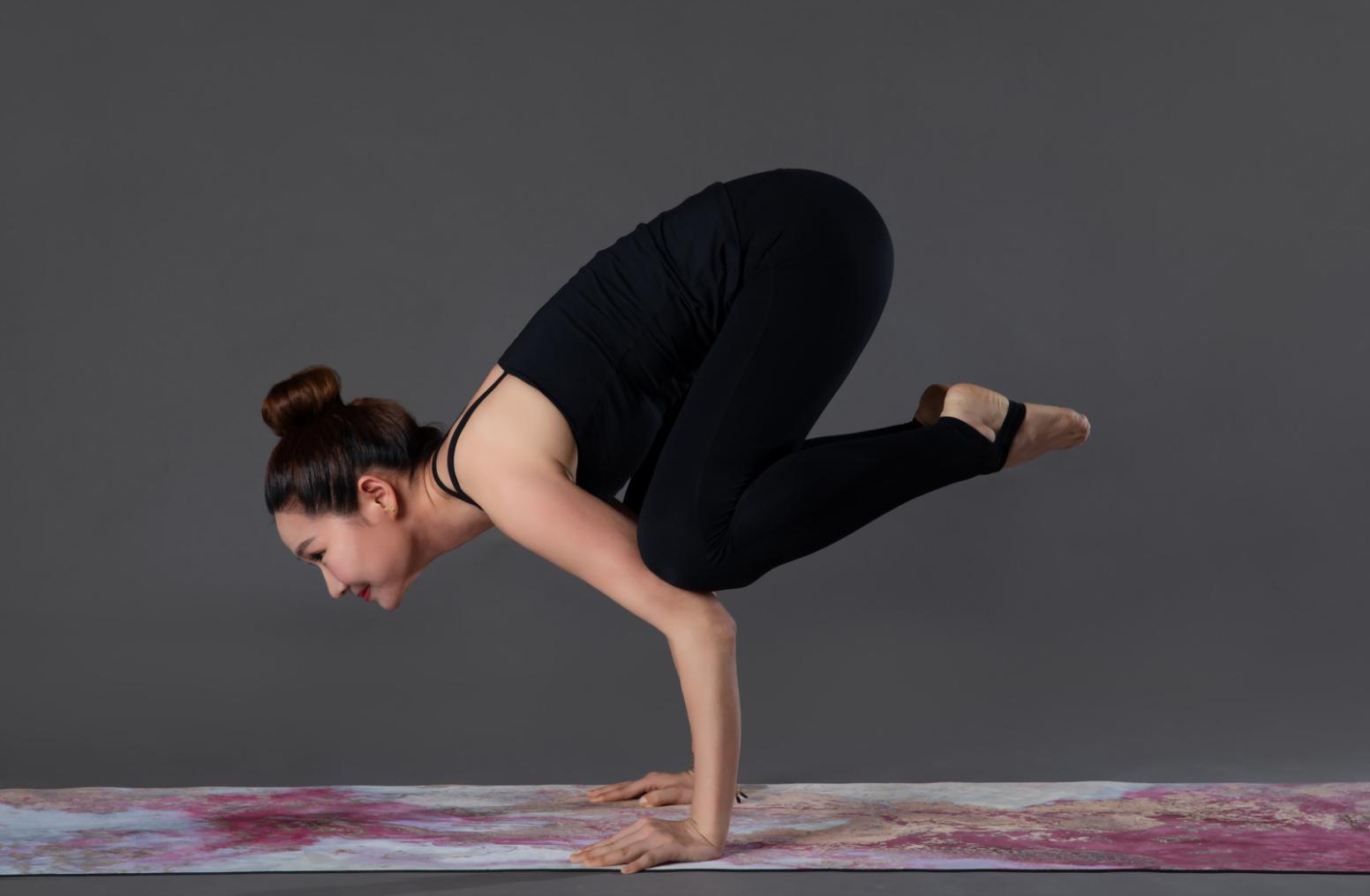 Stress Relief
A Simple Breathing Experiment I Did with Yoga to Reduce Stress
Breathing exercises inside yoga practice changed how I handled stressful afternoons. Here is a beginner-friendly step-by-step approach based on a two-week personal test.
Read article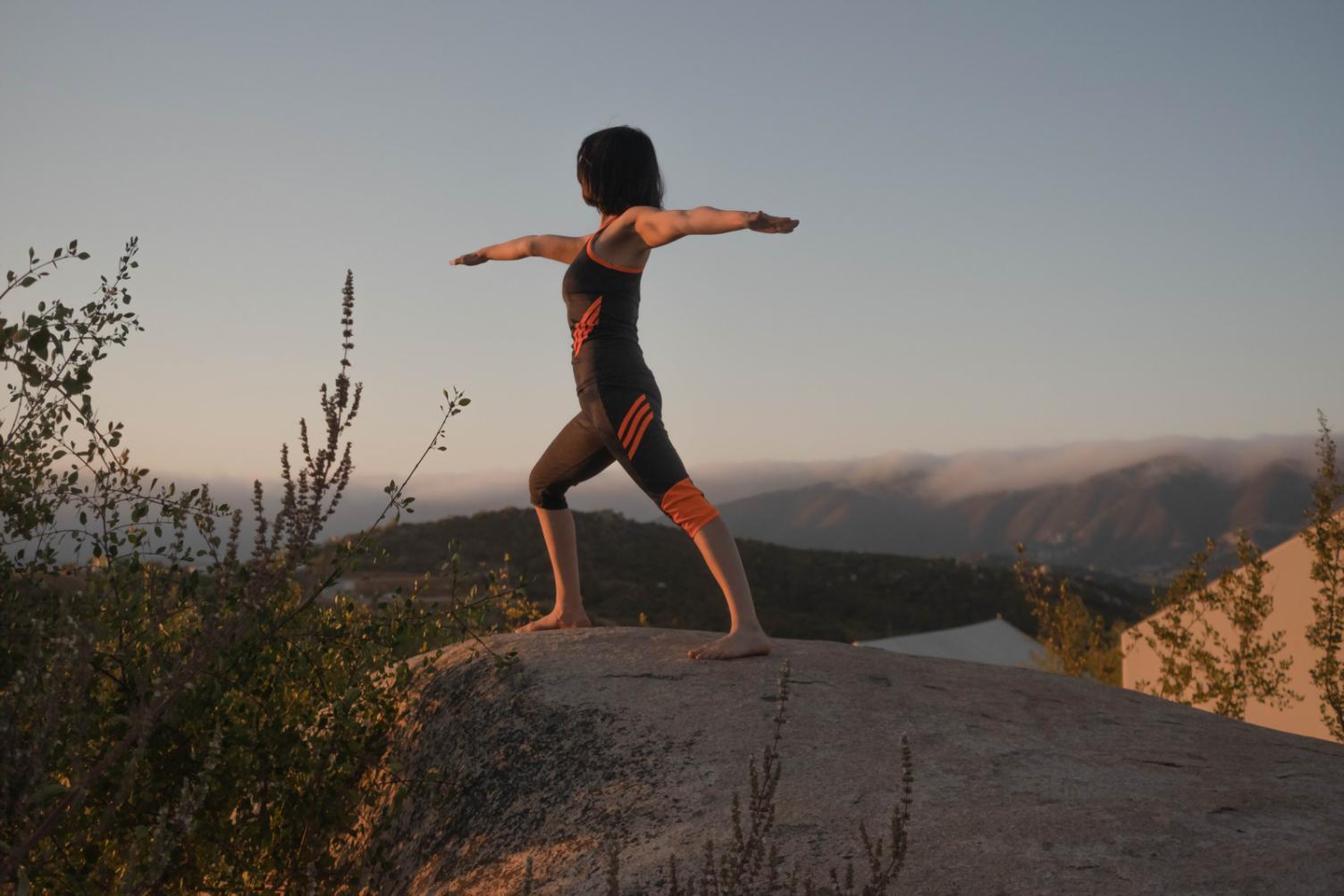 Sleep & Recovery
Testing Five Yoga Poses for Better Sleep as a Complete Beginner
Poor sleep pushed me to test five gentle yoga poses every night for ten days. The step-by-step process and honest results are here for anyone starting from scratch.
Read articlePractice guides
 Yoga & Wellness
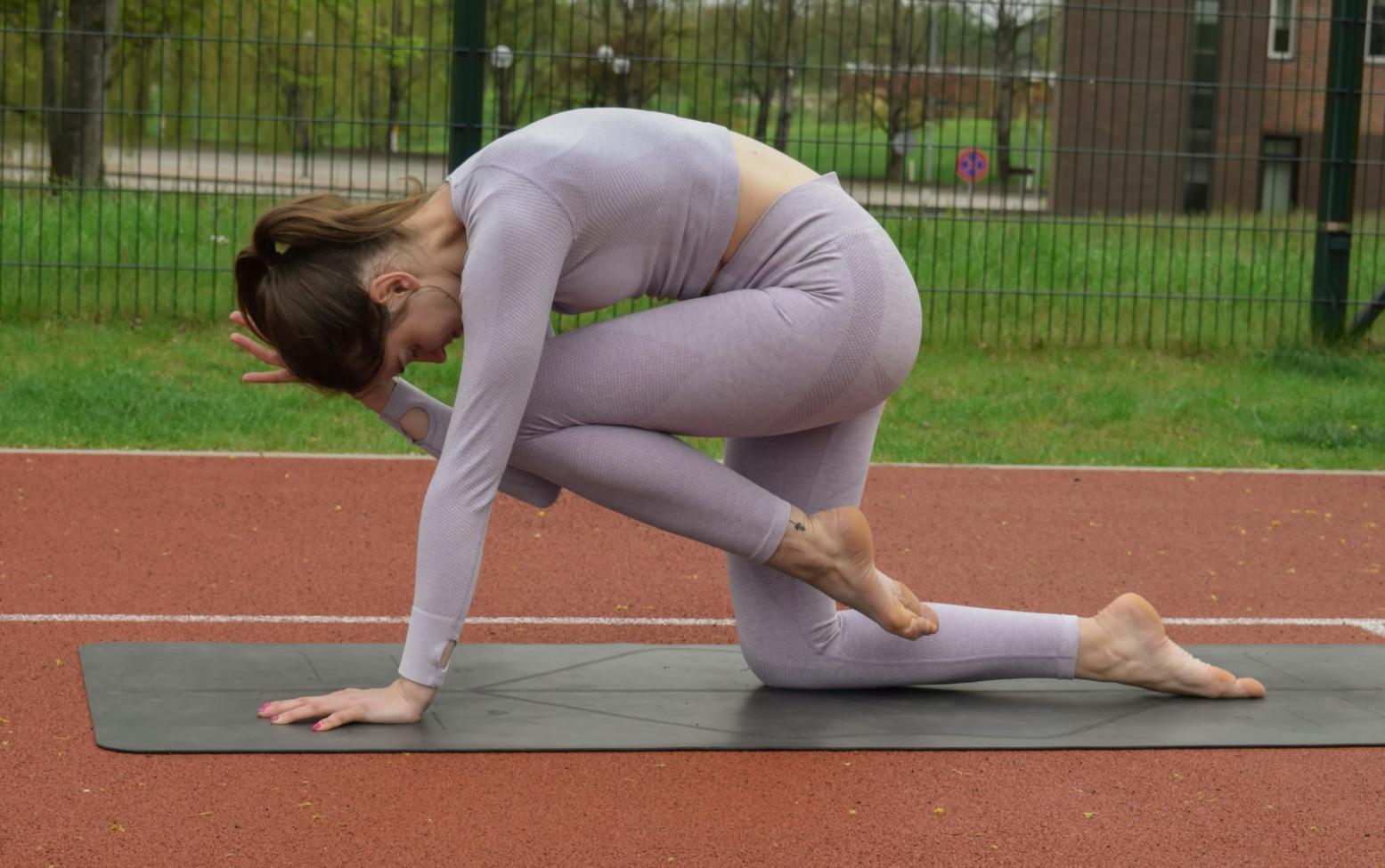
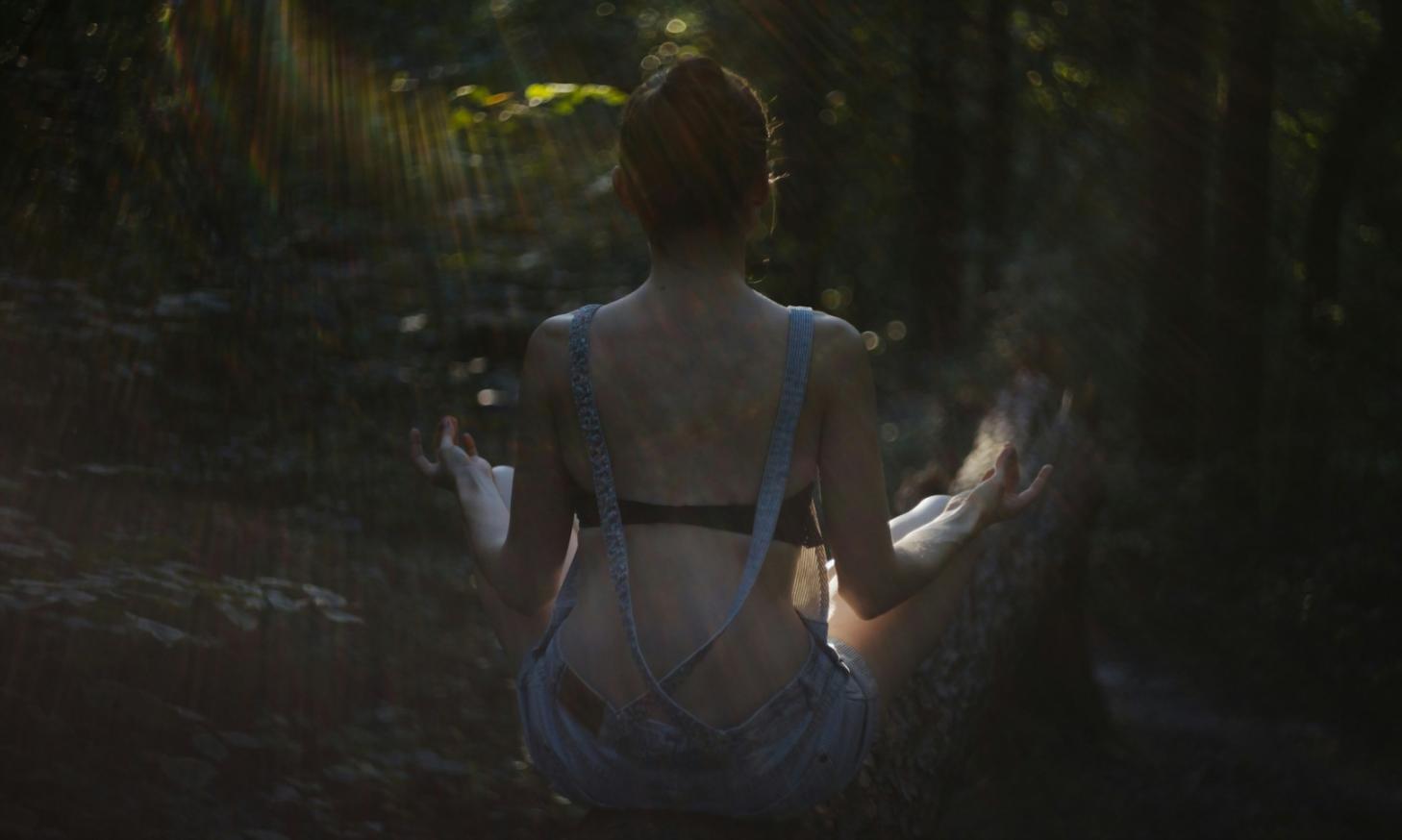
5 Morning Yoga Routines That Work Best When You Practice Alone
Solo, quiet, and actually enjoyable — five routines broken down by time and feel
A breakdown of five morning yoga routines that suit introverts who prefer quiet, solo practice — with real timing, poses, and honest notes on what actually feels good before 8am.
 Yoga & Wellness
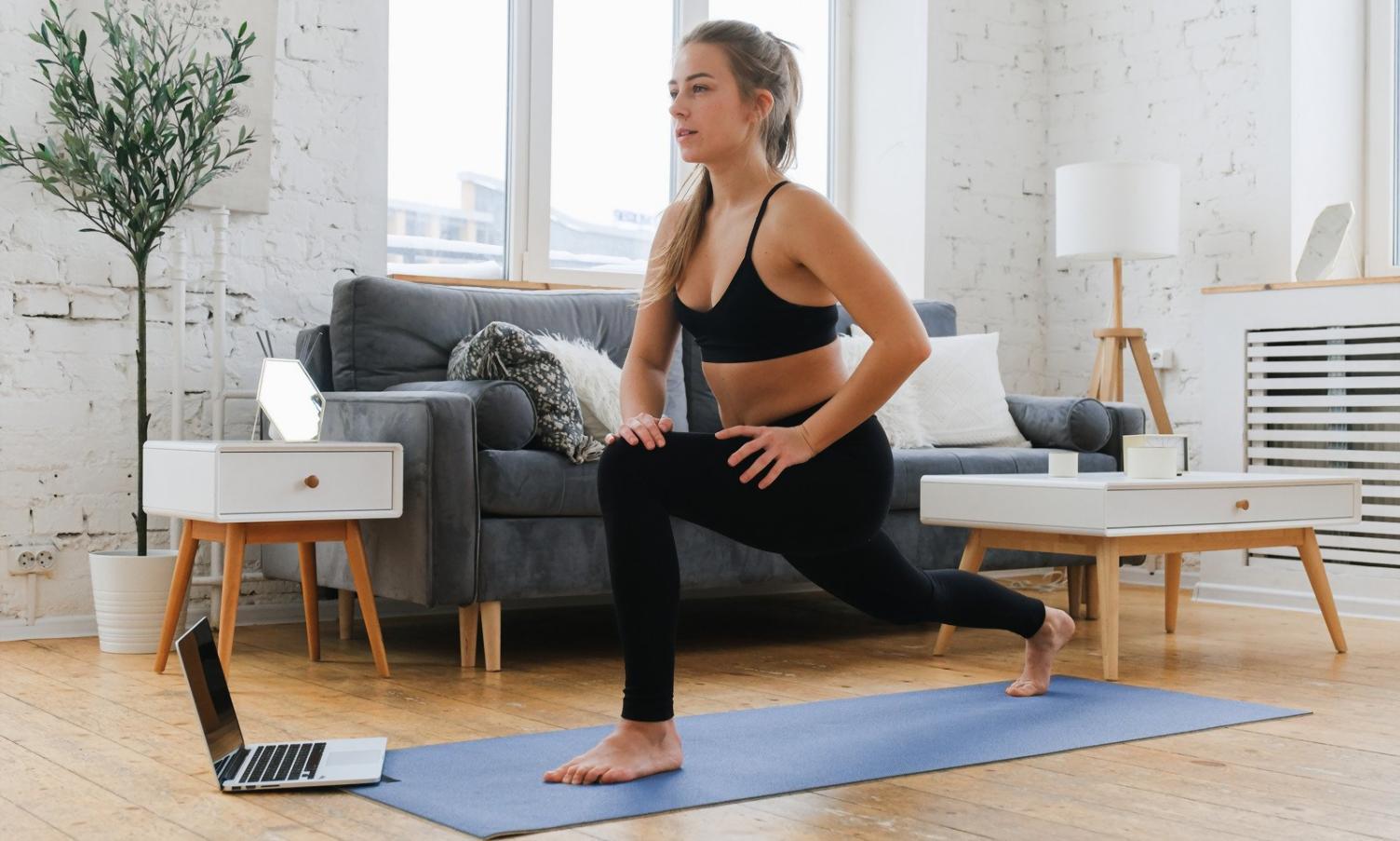
What 6 Weeks of Solo Morning Yoga Taught One Introvert About Routine-Building
Six weeks of testing, honest tracking, and a surprisingly short list of what survived
A case study breakdown of one person testing different morning yoga formats over 6 weeks — what worked, what fell apart, and which three routines made it past week four.
 Yoga & Wellness
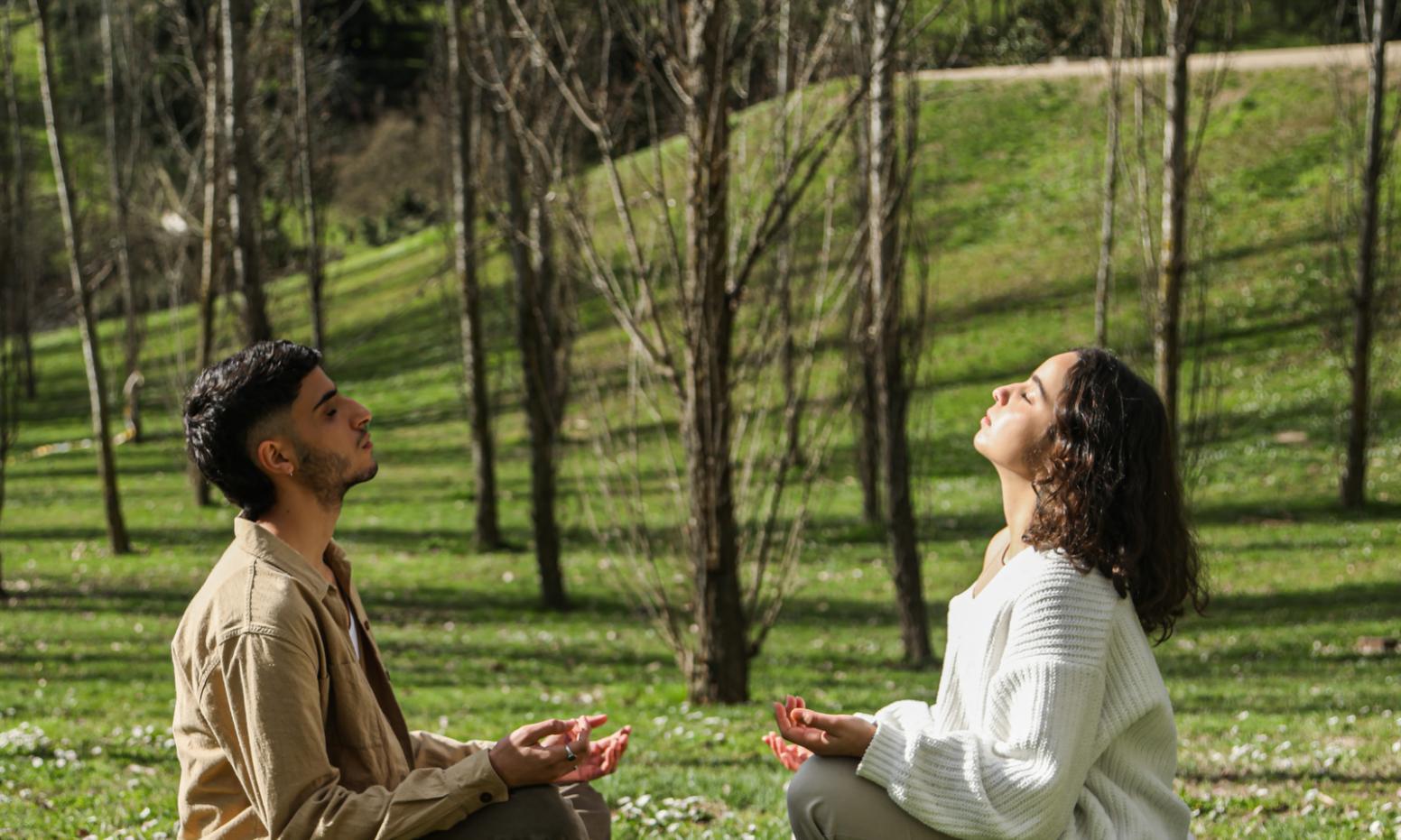
7 Yoga Poses That Feel Right for Quiet Mornings Alone
Seven low-effort, high-return poses for anyone who prefers morning practice without an audience
Not every yoga pose fits a solo morning practice. These seven are the ones that consistently feel good before the day starts — low noise, low drama, high payoff.
 Yoga & Wellness
4 Morning Yoga Formats Ranked for Introverts Who Practice at Home
An honest comparison of four solo practice structures and who each one suits best
From fully silent flow to breath-led movement — four morning yoga formats compared honestly, with notes on what kind of person each one actually suits.
Common questions about yoga practice
A few things that come up often from readers — honest answers without oversimplifying what is genuinely a personal and gradual process.
Most people notice something shifting within the first three to four weeks of consistent practice — not a dramatic change, but a subtle difference in how quickly tension builds during a difficult day. Research suggests meaningful physiological changes in cortisol patterns take around eight to twelve weeks of regular sessions, roughly three times per week. Starting is the harder part. The waiting is manageable once you stop expecting a sudden switch.
A mat is genuinely useful — not for cushioning but for grip and defined space. Beyond that, nothing is required for restorative or gentle relaxation yoga. Blocks and bolsters help in specific poses, particularly hip openers and supported backbends, but rolled blankets or firm cushions work just as well at home. Spending money on equipment before knowing whether you enjoy a practice is rarely a good idea.
Slow, breath-centred practices — yin, restorative, or gentle hatha — are generally well-suited to high-anxiety periods. Fast-paced or intensely physical styles can feel overstimulating when the nervous system is already stretched. If anxiety includes physical symptoms or has been ongoing for a long time, it is worth speaking with a doctor or therapist alongside any self-directed practice. Yoga can be a useful support, but it is not a standalone treatment for clinical anxiety disorders.
Guided coaching for a calmer practice
If reading alone is not quite enough, the coaching programme at Farskelod offers structured, personalised sessions focused on relaxation and stress relief through yoga — at whatever pace works for you.
See coaching options